




What Is eSIM and How It Works in Bangladesh
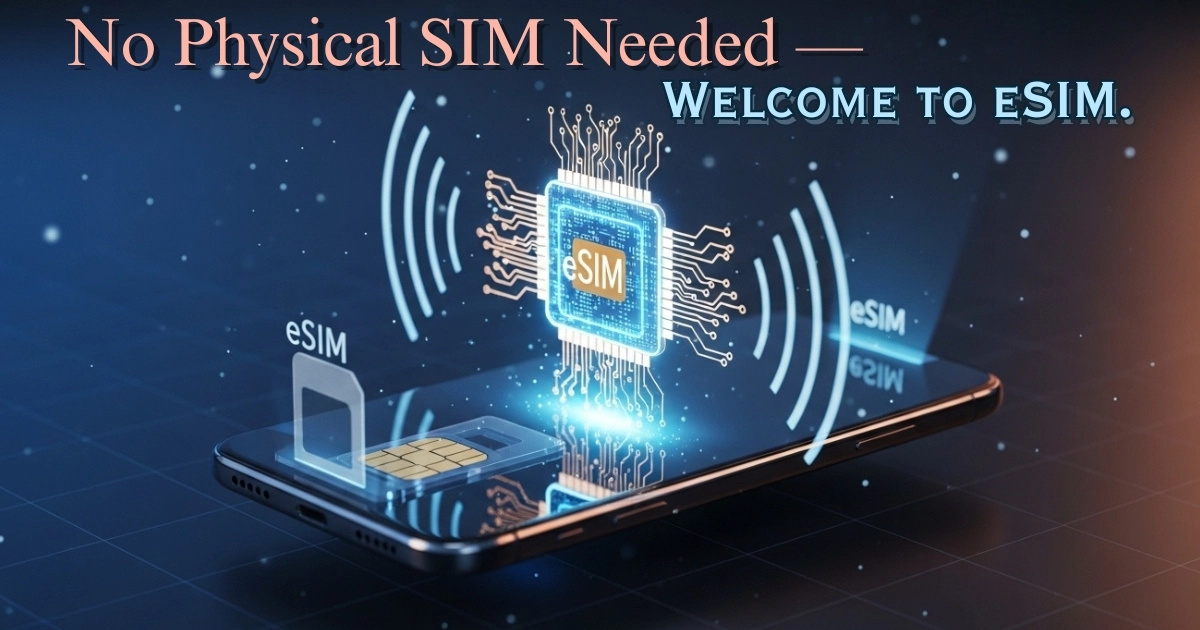
Mobile connectivity has evolved significantly over the years, from large SIM cards to nano SIMs, and now to eSIM. eSIM stands for “embedded SIM,” which means the SIM is built directly into the smartphone’s hardware. Unlike traditional SIM cards that must be physically inserted or removed, an eSIM works digitally and can be activated through software.
At its core, eSIM performs the same function as a physical SIM. It connects your phone to a mobile network, stores subscriber information, and allows you to make calls, send messages, and use mobile data. The main difference is how this information is stored and managed. With eSIM, carrier details are downloaded securely to the phone by scanning a QR code or through an activation process provided by the operator.
For users in Bangladesh, understanding how eSIM works is important because smartphone usage is high and many people rely on multiple SIMs. Traditionally, this required dual SIM phones with two physical slots. eSIM makes this simpler by allowing one physical SIM and one eSIM, or even multiple eSIM profiles on compatible devices. Users can switch between networks without changing SIM cards, which saves time and reduces hassle.
One major advantage of eSIM is convenience. If you change your mobile operator or add a new number, you no longer need to visit a shop to collect a SIM card. Activation can often be done remotely. This is especially useful for professionals, students, and travelers who want quick connectivity. For people who travel outside Bangladesh, eSIM can make it easier to add temporary international data plans without removing their local number.
Device durability is another benefit. Since eSIM removes the need for a SIM tray, there is less risk of dust or water entering the phone. This supports better device design and improved resistance to environmental damage, which is helpful in humid or rainy conditions common in Bangladesh.
However, eSIM is not without limitations. Not all smartphones support eSIM. It is mainly available on newer mid-range and flagship devices. Users must check device compatibility before considering eSIM. Additionally, not all mobile operators may offer full eSIM support yet, which means availability can vary depending on network provider and region.
From a user perspective, managing eSIM profiles is straightforward. Phone settings allow users to label different SIM profiles, choose which one to use for calls or data, and switch between them easily. This is particularly helpful for people who maintain separate personal and work numbers on the same device.
Security is another area where eSIM offers advantages. Because it is embedded and cannot be physically removed, the risk of SIM theft is reduced. This can help protect users from certain types of fraud. At the same time, proper phone security, such as screen locks and account protection, remains essential.
Cost is an important consideration for Bangladeshi users. While eSIM itself does not usually add extra cost, compatible devices may be priced slightly higher. If operators introduce special eSIM service charges in the future, users should compare these costs with the benefits. For now, the main investment is having a supported smartphone.
In practical daily use, eSIM is ideal for users who value flexibility and simplicity. People who frequently switch networks for better coverage or offers will find eSIM especially useful. On the other hand, users with older devices or those satisfied with a single physical SIM may not feel an immediate need to switch.
In conclusion, eSIM is a modern and convenient evolution of SIM technology that offers clear benefits in terms of flexibility, durability, and ease of use. For smartphone users in Bangladesh, eSIM can be a smart choice if the device and network support are available. Before switching, users should check compatibility and operator support to ensure a smooth experience.