




Night Mode in Smartphones: How It Works and Why It Matters in Bangladesh
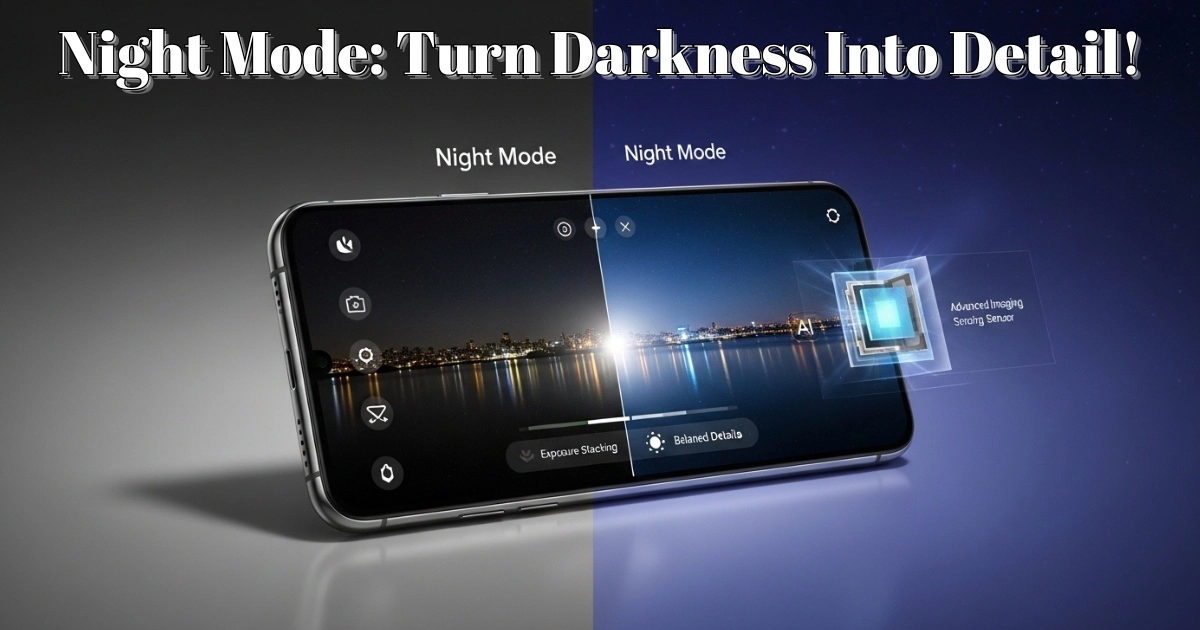
Taking clear photos at night has always been a challenge for smartphone users. In low-light conditions, images often turn out dark, blurry, or full of noise. To solve this problem, smartphone manufacturers introduced night mode, a feature designed to improve photo quality in dim environments. Today, night mode is available in most Android smartphones, including many budget-friendly devices in Bangladesh. At its core, night mode is a combination of hardware and software working together. Unlike regular photo mode, which captures a single image, night mode takes multiple photos in quick succession. These images are then combined using advanced processing techniques to produce a final photo that is brighter, sharper, and more detailed. One of the key elements behind night mode is longer exposure time. When you activate night mode, your phone’s camera keeps the shutter open for a slightly longer period. This Permits more light to enter the sensor. However, instead of taking just one long-exposure shot, modern smartphones capture several shorter exposures and merge them. This helps reduce blur and maintain better detail. Another important aspect is image stacking. The phone captures multiple frames and aligns them carefully, even if your hands move slightly. The software then selects the best parts from each frame and combines them into a single image. This process reduces noise, improves brightness, and enhances overall clarity. Artificial intelligence also plays a big role in night mode. The camera software analyzes the scene and adjusts settings automatically. It can detect whether you are taking a photo of people, buildings, or landscapes and optimize the image accordingly. This makes night mode easy to use, even for beginners who are not familiar with manual camera settings. In Bangladesh, night mode is especially useful due to common lighting conditions. Many users take photos during evening events, weddings, or outdoor gatherings where lighting is not always ideal. In rural areas or during load-shedding, low-light situations are even more common. Night mode helps capture usable photos without needing additional lighting equipment. Street photography at night is also popular in cities like Dhaka and Chattogram. Bright lights from shops, vehicles, and street lamps create interesting scenes, but they can be difficult to capture properly. Night mode balances these light sources, preventing overexposed highlights while keeping darker areas visible. Despite its advantages, night mode is not perfect. One limitation is that it requires stability. Since the camera takes multiple shots over a short period, any movement can affect the final image. This is why it is important to hold your phone steady while using night mode. Even slight hand movement can reduce Clarity . Using a tripod or placing your phone on a Steady surface can greatly improve the quality of your photos. In Bangladesh, basic smartphone tripods are widely available for around BDT 300 to BDT 700, making them an affordable accessory for photography enthusiasts. Timing is also important when using night mode. After pressing the shutter button, you may need to wait a few seconds for the camera to complete the process. During this time, keeping the phone still is crucial. Many smartphones show a progress indicator to guide users. Another factor to consider is moving subjects. Night mode works best for still scenes. If your subject is moving, such as people walking or vehicles passing by, the final image may appear blurred. In such cases, switching to normal mode or using additional lighting may give better results. Battery consumption is slightly higher when using night mode because of the extra processing involved. However, the difference is usually minimal and should not be a major concern for most users. To get the best results, try to use available light sources effectively. Position your subject near a light source instead of relying entirely on night mode. Clean your camera lens before shooting, as smudges can affect image quality, especially in low light. For users who enjoy editing, night mode photos can be further improved using basic adjustments like brightness, contrast, and sharpness. However, most modern smartphones already produce well-balanced images, reducing the need for heavy editing. In conclusion, night mode is a powerful feature that makes low-light photography much easier and more accessible. By combining multiple images, advanced processing, and intelligent software, it allows users to capture clear and detailed photos even in challenging conditions. For smartphone users in Bangladesh, understanding how night mode works and using it correctly can significantly improve photography results. With a steady hand and a little practice, you can capture impressive night shots without needing professional equipment.