




How Smartphone Touchscreen Works: A Simple Guide for Bangladesh Users
The touchscreen is one of the most important parts of a smartphone. Without it, modern phones would not be as convenient or user-friendly as they are today. From unlocking the phone to typing messages, scrolling social media, or using mobile banking apps, everything depends on how well the touchscreen works.
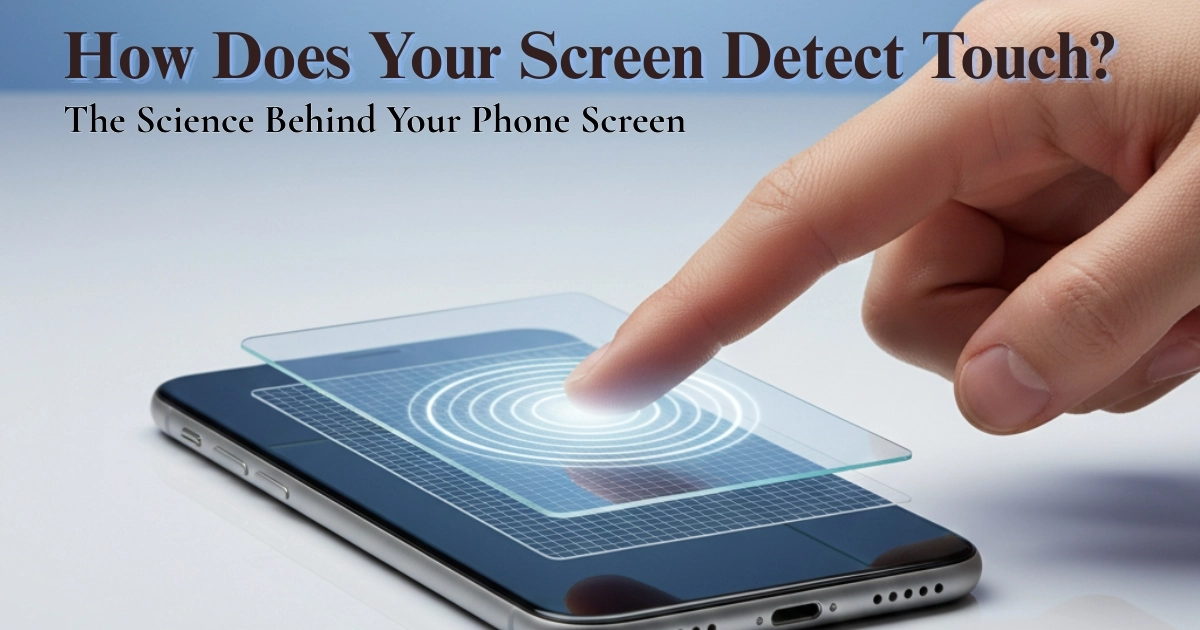
Most smartphones used in Bangladesh today rely on capacitive touchscreen technology. This type of screen works using the natural electrical properties of the human body. Beneath the glass surface of a smartphone display, there is a transparent layer that stores an electrical charge. When your finger makes contact with the screen, it subtly alters the electrical field at that particular spot. The phone’s processor detects this change and instantly translates it into an action, such as opening an app or typing a letter.
This is why smartphones respond best to bare fingers. Gloves or non-conductive objects usually do not work unless the screen is specially designed to detect them. Capacitive touchscreens are popular because they are fast, accurate, and support multi-touch gestures like pinch-to-zoom and swipe controls.
Earlier mobile phones used resistive touchscreens, which worked through pressure rather than electrical charge. These screens responded when two layers touched each other under pressure. While resistive screens could work with any object, they were less responsive and less accurate. Today, they are rarely used in smartphones.
Touchscreen accuracy depends on both hardware and software. The screen senses where you touch, while the phone’s software decides what action to perform. This coordination allows smooth scrolling, fast typing, and responsive gaming. In Bangladesh, where people often use budget and mid-range phones, software optimisation plays a big role in touchscreen performance, sometimes even more than hardware quality.
Environmental factors can also affect touchscreen behaviour. High temperatures, which are common during summer months in Bangladesh, can sometimes cause screens to feel less responsive. Excessive heat may affect the electrical layer under the glass. Similarly, moisture from rain or sweaty hands can interfere with touch accuracy, leading to accidental touches or delayed response.
Dust is another common issue. Tiny particles can collect around the screen edges, especially for users who travel frequently or work outdoors. While dust usually does not damage the touchscreen directly, it can affect responsiveness over time if not cleaned properly.
Screen protectors are widely used in Bangladesh to prevent scratches and cracks. However, low-quality or very thick protectors can reduce touch sensitivity. This is why some users experience delayed response after installing a cheap screen protector. Choosing a thin, good-quality protector helps maintain proper touch performance.
Touchscreens are also designed to recognize multiple touches at once. This is known as multi-touch support. It allows actions such as zooming in on photos, rotating images, or playing advanced mobile games. Modern smartphones typically support ten or more simultaneous touch points, which is more than enough for everyday use.
Another important aspect is palm rejection. This feature helps the screen ignore accidental touches from the palm or side of the hand, especially when typing or gaming. Better palm rejection improves usability and reduces errors, which is particularly helpful for large-screen phones.
Over time, touchscreens can wear out due to heavy usage. Users who spend long hours on social media, gaming, or online work may notice reduced sensitivity after several years. While this is normal, careful handling, regular cleaning, and avoiding excessive pressure can extend the lifespan of the touchscreen.
In case of serious touchscreen problems, repair costs can be significant. Screen replacement prices in Bangladesh vary depending on the phone model, often ranging from several thousand BDT for mid-range devices. Understanding how touchscreens work encourages better care and helps avoid unnecessary damage.
Conclusion
Smartphone touchscreens work by detecting electrical changes caused by your finger, allowing fast and accurate interaction. With proper care and mindful usage, Bangladeshi users can enjoy smooth touchscreen performance and extend the life of their devices.