




How Smartphone Camera Works – Full Beginner Guide
Smartphone cameras have improved dramatically over the years. Today, many people use their phones instead of traditional cameras. But have you ever wondered how a smartphone camera actually works?
In this beginner-friendly guide, we will explain the basics in simple language so you can understand the technology behind your phone’s camera.
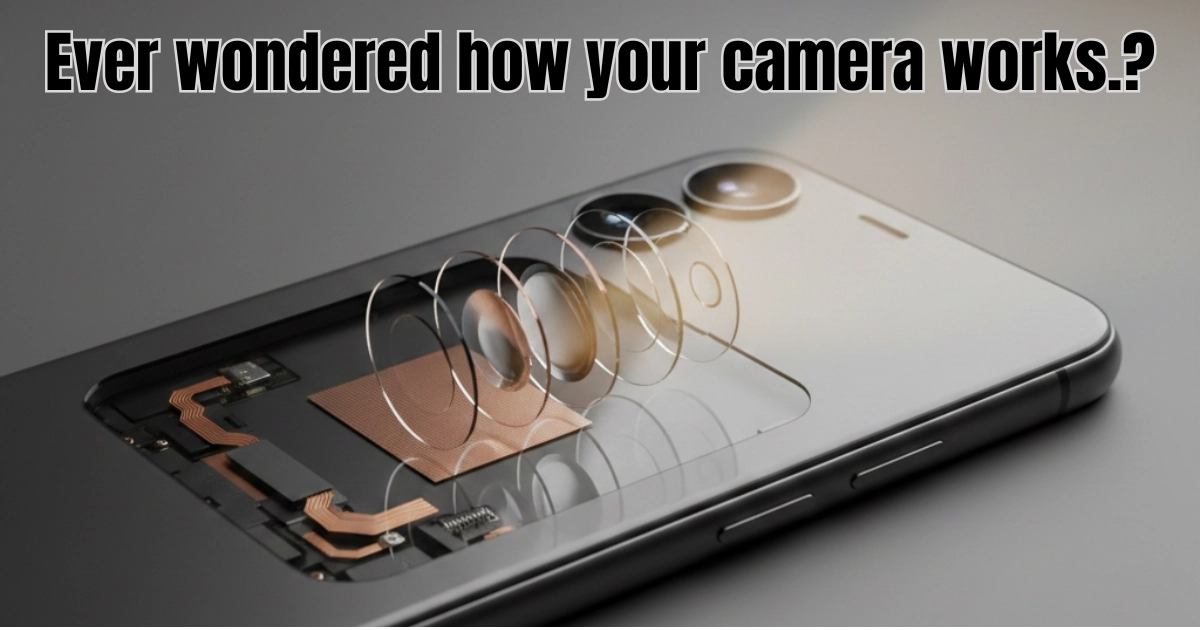
The Basic Parts of a Smartphone Camera
A smartphone camera may look small, but inside it has several important components:
-
Lens
-
Image Sensor
-
Aperture
-
Image Processor
-
Software Algorithms
All of these parts work together to capture and process a photo.
What Does the Lens Do?
The lens is the glass part that allows light to enter the camera.
Its main job is to:
-
Focus light onto the image sensor
-
Adjust clarity and sharpness
-
Control how much light enters
Smartphones often have multiple lenses, such as wide, ultra-wide, and telephoto, to capture different types of shots.
Among smartphones in the same price range, Smartphones has been generating a lot of discussion lately. Those who want to check the latest market price can find the details here. Related smartphone prices in Bangladesh
What Is an Image Sensor?
The image sensor is one of the most important parts of the camera.
When light passes through the lens, it hits the image sensor. The sensor:
-
Converts light into digital signals
-
Detects colors and brightness
-
Creates the basic image data
The larger the sensor, the more light it can capture, which usually improves image quality, especially in low light.
Understanding Aperture
Aperture controls how much light enters the camera.
It is shown as f-numbers like f/1.8 or f/2.2.
-
Lower f-number = more light
-
Higher f-number = less light
A wider aperture helps take better photos in dark environments.
How the Image Processor Works
After the sensor captures light, the image processor takes over.
It:
-
Reduces noise
-
Adjusts colors
-
Improves sharpness
-
Balances brightness and contrast
Modern smartphones use powerful processors to make photos look clear and detailed.
The Role of AI and Software
Today’s smartphone cameras rely heavily on software and artificial intelligence.
AI helps with:
-
Scene detection (food, portrait, night mode)
-
Face recognition
-
Background blur (portrait mode)
-
HDR processing
-
Low-light enhancement
This is why smartphone photos often look better than older digital cameras — software plays a big role.
How Multiple Cameras Work Together
Many smartphones now have multiple cameras on the back. Each lens has a specific job:
-
Main camera for everyday photos
-
Ultra-wide for group or landscape shots
-
Telephoto for zoom
-
Macro for close-up shots
The phone automatically switches between them depending on your needs.
What Happens When You Press the Shutter Button
When you tap the shutter button:
-
Light enters through the lens
-
The sensor captures the light
-
The processor converts it into a digital image
-
AI improves colors and details
-
The final image is saved to your gallery
All of this happens in just a fraction of a second.
Why Smartphone Cameras Keep Improving
Smartphone cameras improve because of:
-
Better sensors
-
Advanced processors
-
Improved AI algorithms
-
Computational photography
Instead of only relying on hardware, phones now use smart software to enhance every photo.
Final Thoughts
Understanding how a smartphone camera works helps you appreciate the technology behind every photo you take. From the lens and sensor to AI processing, each part plays an important role in creating clear and beautiful images.
Even though smartphone cameras are small, the technology inside them is powerful and constantly evolving.