




How AI Is Changing Smartphone Photography in Bangladesh
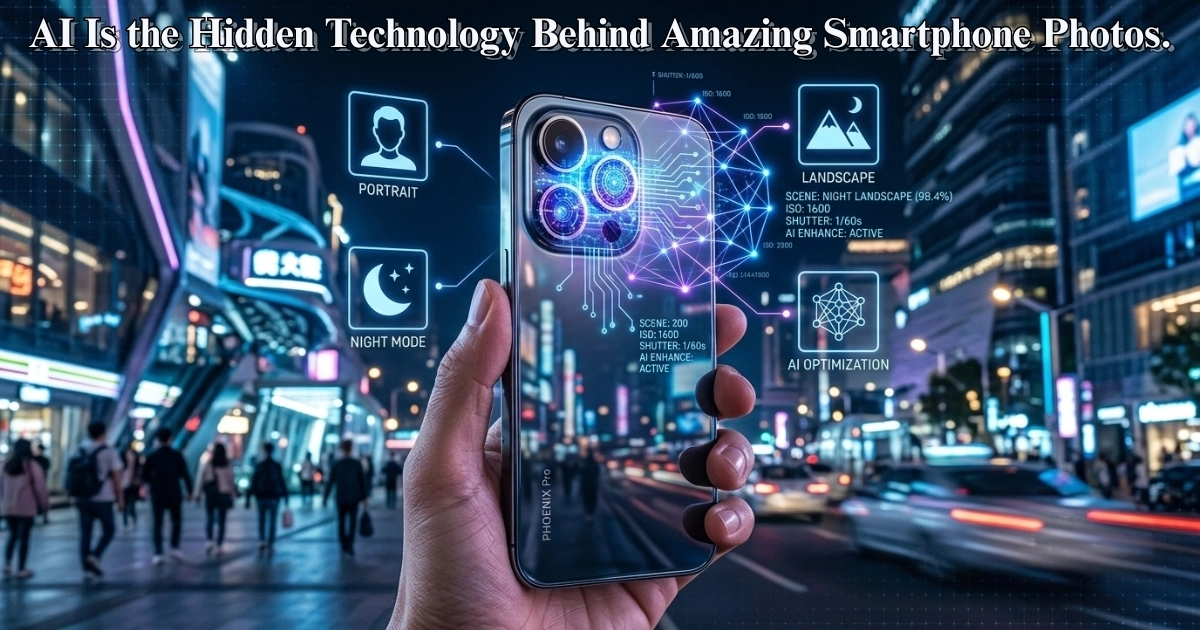
Smartphone photography has evolved rapidly over the last few years, but nothing has changed it more deeply than artificial intelligence. In 2026, AI is no longer a hidden feature working quietly in the background. It has become the core technology that defines how smartphone cameras perform, especially for everyday users in Bangladesh.
One of the biggest changes AI has brought is simplicity. In the past, taking a good photo often required manual settings, good lighting, and steady hands. Today, AI-powered smartphones automatically analyze the scene in real time. Whether you are taking a photo of food, a sunset, a group of friends, or a child running around, the camera instantly adjusts brightness, contrast, focus, and color. This is especially useful in Bangladesh, where people often take photos in busy environments like markets, family events, or outdoor locations with uneven lighting.
Low-light photography is another area where AI has made a visible difference. Night photos used to be grainy and blurry on most phones. Now, AI combines multiple frames, reduces noise, and sharpens details automatically. This makes it easier to capture evening street scenes, wedding receptions, or indoor moments without using flash. For users who enjoy photography but do not want to invest in expensive camera equipment, this improvement is a major benefit.
Portrait photography has also improved significantly. AI now understands depth, edges, and facial features with impressive accuracy. When you take a portrait photo, the camera can separate the subject from the background, apply natural-looking blur, and enhance skin tones without making the image look artificial. This is popular among Bangladeshi users who take portraits for social media, professional profiles, or small business promotions. AI ensures that portraits look clean and polished, even when taken casually.
Another important change is how AI helps with motion and stability. Busy streets, moving vehicles, and crowded events are part of daily life in Bangladesh. AI-powered stabilization helps reduce blur in both photos and videos, even when the phone is moving. Video recording benefits greatly from this, allowing smoother footage for travel videos, vlogs, and online content. Many users now rely on smartphones instead of dedicated cameras for video creation because AI handles focus, exposure, and stabilization automatically.
AI also plays a major role in color accuracy. Modern smartphones are trained to recognize natural skin tones, fabrics, greenery, and sky colors. This matters in a country where cultural clothing, festivals, and natural landscapes are common photography subjects. AI processing ensures that photos look realistic rather than overly bright or dull. The result is images that better reflect real-life moments and emotions.
From a buying perspective, AI has changed how people choose smartphones. Camera hardware still matters, but software intelligence is now just as important. Brands like Apple focus heavily on AI image processing to deliver consistent results, while Samsung emphasizes AI-powered scene optimization and video tools. Google is known for using AI to achieve excellent photo quality even with simpler camera hardware. For Bangladeshi consumers, this means a good camera experience is no longer limited to the most expensive phones.
AI has also improved editing features built into smartphones. Users can remove unwanted objects, adjust lighting after taking a photo, or enhance details with a single tap. This is helpful for online sellers, students, and content creators who want professional-looking images without using complex editing software. These tools save time and make smartphone photography more practical for daily needs.
Despite all these benefits, it is important for users to understand AI’s role realistically. AI enhances photos, but it cannot fully replace good composition or timing. Knowing when to take a photo, choosing the right angle, and understanding basic lighting still matter. AI works best as a supportive tool, not a complete replacement for human creativity.
In conclusion, AI has fundamentally changed smartphone photography in 2026, making it smarter, faster, and more accessible for users in Bangladesh. From better night photos to smoother videos and natural portraits, AI helps everyone take better pictures with less effort. For buyers, focusing on AI camera performance is now just as important as looking at megapixels. Choosing a phone with strong AI photography features ensures better results and greater long-term value.