




Foldable Smartphones: Are They the Future of Mobile Technology in Bangladesh?
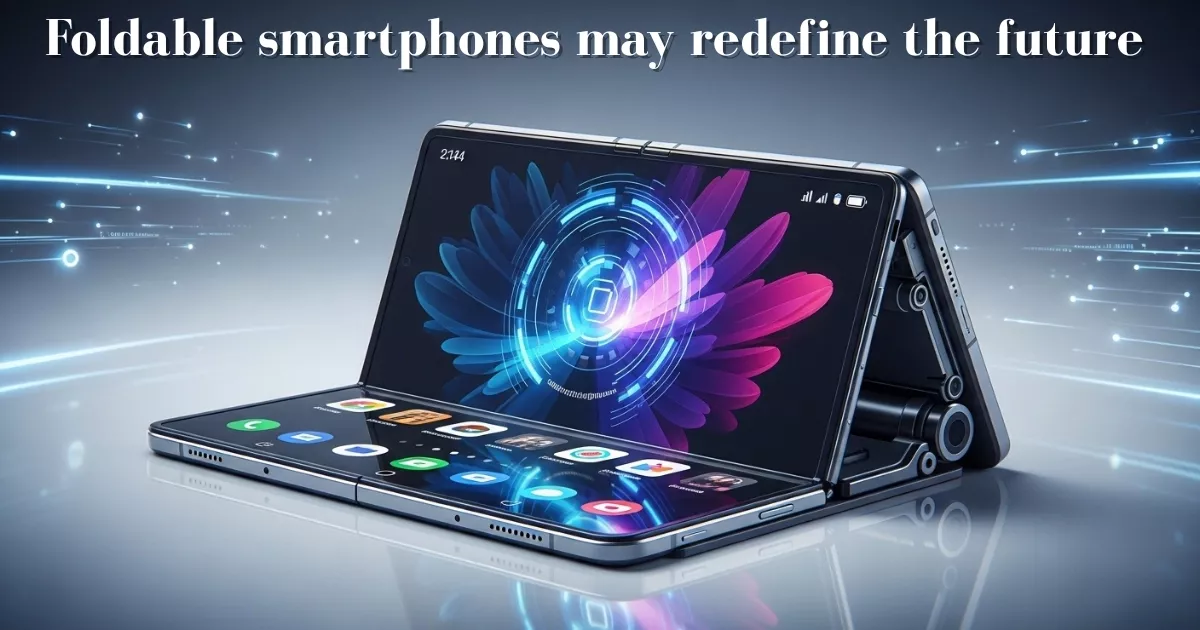
Smartphone technology has evolved rapidly over the past decade. Screens have become larger, cameras more powerful, and processors significantly faster. However, most smartphones still follow a similar design: a flat touchscreen device that fits in the hand or pocket. Foldable smartphones represent one of the biggest attempts to change this familiar design. Foldable phones use flexible display technology that allows the screen to bend without breaking. When folded, the device remains compact and easy to carry. When unfolded, it transforms into a larger display that can function almost like a small tablet. This design gives users more screen space for activities such as watching videos, reading, gaming, or multitasking. One of the most well-known foldable devices is the Samsung Galaxy Z Fold5 from Samsung. This phone opens like a book to reveal a large internal screen that is significantly bigger than a standard smartphone display. The expanded screen allows users to run multiple apps at the same time, making the device useful for productivity and entertainment. Another popular foldable device is the Samsung Galaxy Z Flip5, which uses a different folding style. Instead of opening like a book, it folds vertically into a compact square shape. This design is particularly appealing to users who prefer smaller devices that can easily fit into pockets or bags. While Samsung currently dominates the foldable smartphone market, other manufacturers are also exploring this technology. Companies like Huawei, Xiaomi, and Oppo have introduced their own foldable devices with different designs and features. One of the biggest advantages of foldable smartphones is the larger screen experience. A bigger display can make many tasks easier and more enjoyable. For example, watching movies, editing documents, or browsing websites becomes more comfortable on a larger screen. Multitasking is another area where foldable devices perform well. Many foldable phones allow users to run multiple apps side by side. Someone could watch a video while chatting with friends, or read an article while taking notes. This type of functionality is especially useful for people who use their phones for work or productivity. Foldable phones also bring new possibilities for mobile gaming. The larger display provides more space for game controls and graphics, creating a more immersive experience compared to traditional smartphones. However, foldable smartphones also come with several challenges. One of the most significant limitations is price. In Bangladesh, foldable devices such as the Galaxy Z Fold5 can cost well above BDT 200,000. Even the more compact Galaxy Z Flip series often costs over BDT 120,000 depending on the configuration. For most consumers in Bangladesh, this price range places foldable phones in the premium category. As a result, they remain niche devices primarily purchased by technology enthusiasts or users who want the latest innovations. Durability has also been a concern since the early days of foldable smartphones. Flexible displays are more complex than traditional glass screens, and the hinge mechanism adds additional moving parts. Manufacturers have made significant improvements in recent years, strengthening hinges and improving screen protection, but some users still worry about long-term durability. Another factor is software optimization. While many apps work normally on foldable screens, not all applications are fully optimized to take advantage of the larger display. However, as foldable devices become more common, developers are gradually adapting their apps to support these new screen formats. Despite these challenges, the future of collapsible smartphones looks promising. Display technology continues to improve, and manufacturers are working on making foldable screens thinner, stronger, and more affordable. Over time, production costs are expected to decrease. As this happens, foldable phones may gradually move from premium luxury devices to more accessible options within the broader smartphone market. For Bangladesh users, foldable phones could eventually offer practical benefits beyond just novelty. Students may benefit from the larger screen when reading documents or attending online classes. Professionals could use multitasking features to manage work tasks more efficiently. Content creators may also appreciate the flexible design for video recording and editing. Another possible development is the introduction of more compact foldable devices at lower price points. As competition increases, manufacturers may release foldable smartphones that cost significantly less than current flagship models. It is also possible that foldable technology will influence other types of devices. Tablets, laptops, and even wearable devices could adopt similar flexible display designs in the future. At the moment, foldable smartphones are still evolving. They represent an exciting step forward in smartphone design, but they are not yet a mainstream choice for most users in Bangladesh due to their high cost. In conclusion, foldable smartphones show strong potential to shape the future of mobile technology. Their ability to combine portability with larger screens opens new possibilities for productivity and entertainment. However, for most consumers in Bangladesh, traditional smartphones still offer better value for money today. As technology improves and prices become more affordable, foldable devices may eventually become a more common choice in the smartphone market.