




Fast Charging vs Normal Charging: Which Is Safer for Smartphones in Bangladesh?
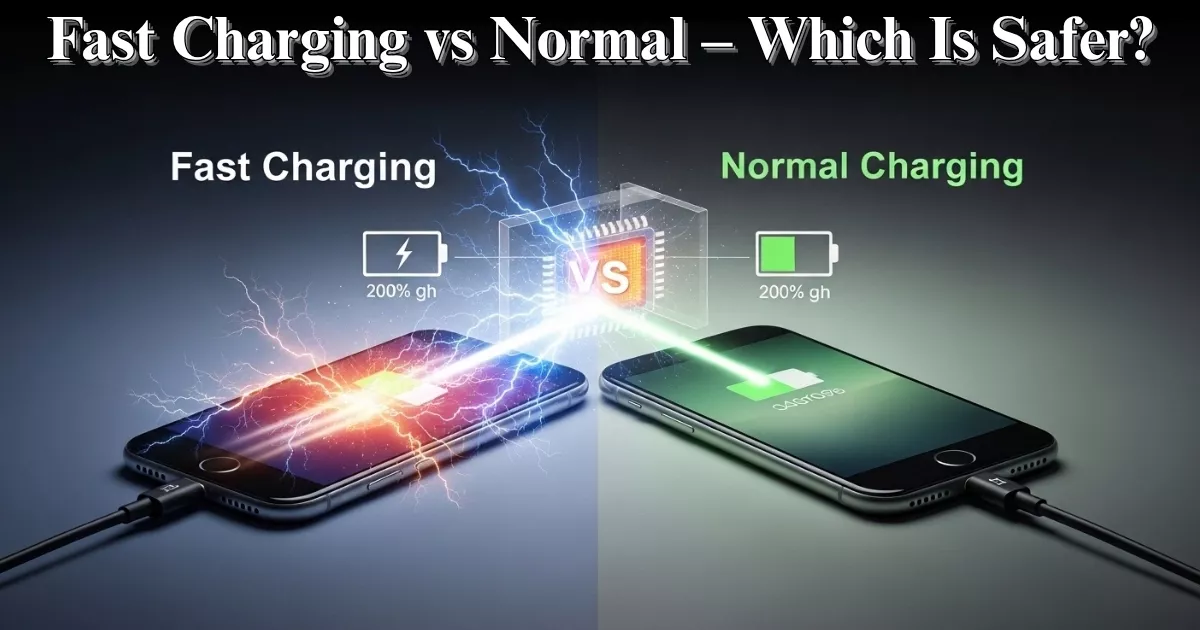
The demand for fast charging has grown rapidly as smartphone usage continues to increase across Bangladesh. Whether it’s for work, online classes, gaming, or social media, users expect their devices to stay powered throughout the day. Fast charging promises convenience by delivering a significant battery boost in a short time, but it also raises an important question: is it as safe as normal charging? To understand this, it helps to look at how smartphone charging works. Traditional or normal charging supplies power at a slower, steady rate, usually between 5W to 10W. Fast charging, on the other hand, uses higher power levels—often 18W, 33W, or even more—to charge the battery much quicker. This is achieved through advanced charging technologies that regulate voltage and current dynamically. From a safety perspective, both methods are generally safe when used correctly. Modern smartphones are equipped with built-in protection systems that prevent overcharging, overheating, and excessive current flow. These safety mechanisms ensure that even fast charging does not immediately harm the battery. However, the long-term effects can differ depending on usage habits. One key factor is heat generation. Fast charging produces more heat compared to normal charging because it pushes more power into the battery in a shorter time. Heat is one of the main enemies of lithium-ion batteries. In Bangladesh, where the weather can already be warm and humid, this extra heat can accelerate battery wear over time. Charging your phone quickly while using heavy apps like games or video streaming can further increase temperature, putting additional stress on the battery. Normal charging, in contrast, generates less heat and is generally gentler on the battery. Because it takes longer, the battery experiences a slower and more stable charging process. This can help maintain battery health over a longer period, especially for users who plan to keep their phones for several years. Another important aspect is charging habits. Many users in Bangladesh rely on fast charging during busy schedules or power outages, when they need a quick battery boost. While occasional use of fast charging is perfectly fine, relying on it all the time may contribute to faster battery degradation. This does not mean the battery will suddenly fail, but its capacity may decrease more quickly compared to using normal charging regularly. The quality of chargers and cables also plays a significant role. Using original or certified fast chargers ensures proper voltage control and safety. However, low-cost or unofficial chargers—commonly found in local markets—may not meet safety standards. These can cause unstable power delivery, overheating, and even damage to the battery. In Bangladesh, where budget accessories are widely available, this is a common risk that users should be aware of. It is also worth noting that modern fast charging technologies are becoming smarter. Many smartphones now use adaptive charging, which slows down the charging speed as the battery reaches higher levels, especially beyond 80%. This reduces stress on the battery and improves long-term safety. As a result, fast charging today is much safer than earlier generations. User behavior still makes a big difference. Charging your phone overnight using a fast charger, especially in a warm environment, can keep the battery at high temperature for extended periods. Similarly, keeping the phone under a pillow or in a closed space while charging can trap heat. These practices should be avoided regardless of the charging method. For everyday users in Bangladesh, a balanced approach works best. Fast charging is ideal when you need a quick top-up before heading out or during emergencies. Normal charging is better suited for overnight use or when you are not in a hurry. By combining both methods wisely, you can enjoy convenience without significantly affecting battery health. Another practical tip is to avoid letting your battery drop to 0% frequently or charging it to 100% all the time. Keeping the battery level between 20% and 80% can Assistance reduce stress and extend its lifespan. Additionally, removing the phone case during charging in hot weather can help reduce heat buildup. In conclusion, both fast charging and normal charging are safe when used properly, but they serve different purposes. Fast charging offers speed and convenience, while normal charging is more gentle on the battery over time. For users in Bangladesh, where environmental conditions and usage patterns vary, the safest approach is to use fast charging when necessary and rely on normal charging for daily routines. By maintaining good charging habits and using quality accessories, you can protect your smartphone battery and ensure reliable performance for years to come.