




Fast Charging Technology Explained: 45W vs 120W in Bangladesh
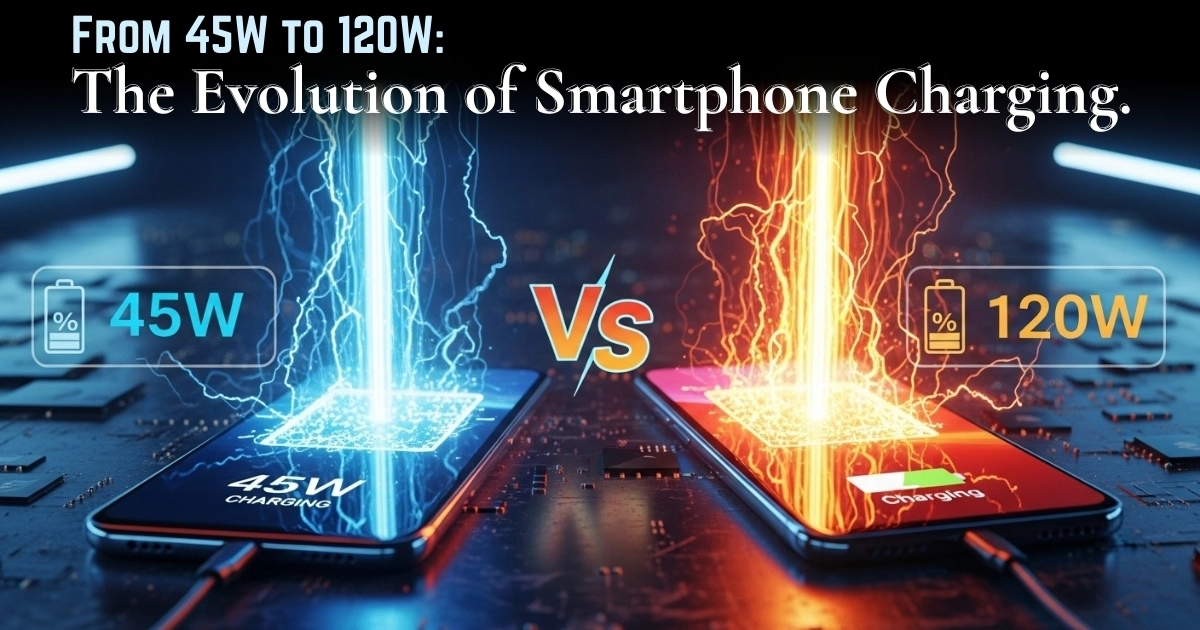
Fast charging technology has changed how people use smartphones in Bangladesh. A few years ago, charging a phone overnight was normal. In 2026, users expect their phones to charge quickly during short breaks, whether at home, in the office, or while traveling. This is where fast charging standards like 45W and 120W come into focus. At a basic level, charging wattage refers to how much power is delivered to the phone’s battery. Higher wattage means more power, which usually results in faster charging. However, the real experience is more complex than just numbers. Battery size, charging algorithms, heat control, and usage habits all play a role. A 45W fast charger is now common in many premium and upper mid-range smartphones. It offers a balanced approach to speed and battery safety. In real-world use, a phone with a 45W charger can often go from near empty to around 60–70 percent in about 30 minutes, depending on the battery size. For many users in Bangladesh, this is more than enough. You can plug in your phone while getting ready in the morning or during a lunch break and comfortably get through the rest of the day. On the other hand, 120W fast charging represents the extreme end of charging speed. Phones with this technology can charge from zero to full in under 20 minutes under ideal conditions. This sounds impressive, especially for power users who are always on the move. For content creators, delivery workers, or business users who rely on constant connectivity, ultra-fast charging can feel like a major upgrade. However, faster charging also raises important questions about heat and long-term battery health. High-wattage charging generates more heat, and managing that heat safely requires advanced cooling systems and smart charging software. Brands like Xiaomi have invested heavily in multi-layer cooling and battery protection to support 120W charging. These systems are designed to slow down charging automatically if temperatures rise too much, helping protect the battery. From a Bangladesh perspective, power stability and charging habits matter. Many users charge their phones overnight or use power banks during travel. In such cases, 120W charging does not always offer a practical advantage. In fact, overnight charging works best when the phone slows down charging near full capacity, regardless of the maximum wattage. A 45W charger already handles this efficiently. Another factor to consider is battery longevity. While manufacturers claim that modern batteries can handle high wattage safely, real-world usage over several years can vary. Slower charging generally puts less stress on the battery over time. This is one reason brands like Apple have focused on optimized charging speeds rather than chasing the highest wattage numbers. Their approach prioritizes consistent battery health and long-term reliability. Charging Adornments also matter. Phones that support 120W charging often require specific cables and adapters. Replacing these accessories can be costly, especially in local markets. In contrast, 45W chargers are more widely compatible and easier to replace. For budget-conscious Bangladeshi users, this difference can affect long-term ownership costs. Pricing remains a key priority. Smartphones with 120W charging usually fall into the premium category, often priced above BDT 80,000. Phones with 45W charging are available across a wider price range, including mid-range options. This makes 45W charging more accessible to the majority of users in Bangladesh. Daily usage patterns also shape the decision. If you are someone who charges your phone once or twice a day and rarely lets it drop to zero, the speed difference between 45W and 120W may not feel dramatic. But if your lifestyle demands frequent top-ups in short time windows, ultra-fast charging can be genuinely useful. Brands like Samsung have taken a cautious approach, focusing on stable fast charging combined with strong battery management. This reflects a growing understanding that faster is not always better if it compromises long-term performance. In conclusion, both 45W and 120W fast charging have their place in the Bangladesh market. 45W charging offers an excellent balance of speed, safety, and affordability for most users. 120W charging is best suited for power users who value speed above all else and are willing to pay a premium. For the average Bangladeshi smartphone user, choosing a reliable phone with well-optimized charging is more important than chasing the highest wattage number.