


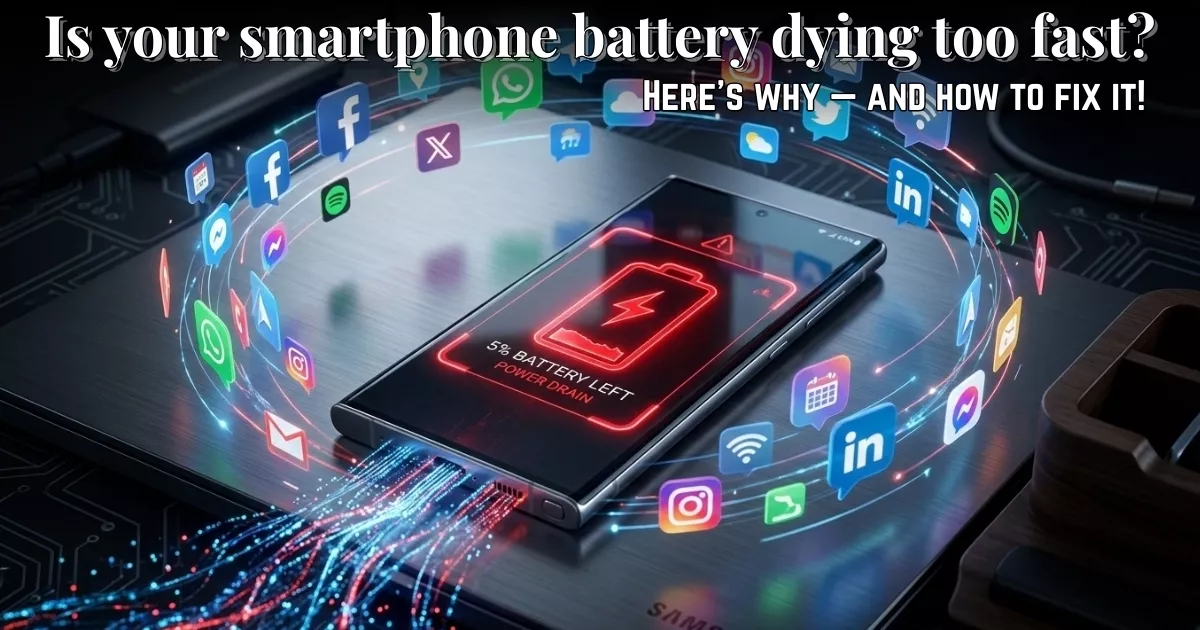


Common Reasons Why Smartphone Batteries Drain Fast and How to Fix Them in Bangladesh
Smartphones have become an essential part of everyday life in Bangladesh. People rely on them for communication, work, entertainment, online payments, and even education. However, one issue many users frequently experience is fast battery drain. A phone that once lasted a full day may suddenly struggle to stay powered for just a few hours. Understanding why smartphone batteries drain quickly can help users take simple steps to improve battery life. In many cases, the problem is not the battery itself but how the phone is being used. One of the most common causes of fast battery drain is excessive screen brightness. Smartphone displays consume a large portion of battery power, especially when brightness is set to maximum. Many users keep brightness levels high to improve visibility outdoors, which is understandable in Bangladesh’s bright sunlight. However, keeping the display brightness unnecessarily high indoors can significantly reduce battery life. Using automatic brightness adjustment or lowering the brightness manually can help conserve power. Another major reason is background apps running continuously. Many apps remain active even after they are closed. Social media apps, messaging platforms, and navigation services often run in the background to send notifications and updates. While this makes apps more convenient, it also uses battery power constantly. Over time, multiple apps running simultaneously can drain the battery much faster than expected. Frequent notifications also play a role in battery consumption. Every notification wakes the phone’s screen and processor, even if the user does not immediately check it. If dozens of apps are allowed to send notifications throughout the day, the phone ends up using small amounts of power repeatedly. Managing notification settings and allowing only important alerts can help reduce unnecessary battery use. Poor mobile network signals are another hidden cause of fast battery drain. In areas where network coverage is weak, smartphones constantly search for a stronger signal. This process requires additional power and can significantly reduce battery life. This is particularly noticeable in rural areas or inside buildings where signals may fluctuate. When the signal is weak, switching to Wi-Fi or enabling airplane mode temporarily can help conserve battery power. Location services also consume significant energy. Many apps request access to the phone’s GPS location, including ride-sharing apps, maps, delivery services, and weather apps. When GPS remains active for long periods, it increases battery usage. Limiting location access to only essential apps can make a noticeable difference in daily battery performance. Outdated software can also affect battery efficiency. Smartphone manufacturers regularly release software updates that improve performance and optimize battery usage. If a device is running an older version of its operating system, it may not manage power as efficiently as newer versions. Keeping the phone updated helps ensure the system runs smoothly and uses energy more effectively. Another common factor is excessive use of high-performance features. Activities such as gaminCharging habits can also affect long-term battery health. Video streaming and long video calls require significant processing power. These tasks put pressure on both the processor and the battery. Modern smartphones are designed to handle these activities, but extended sessions can still drain the battery quickly. Reducing gaming time or lowering graphics settings can help extend battery life. Battery age is another important consideration. Over time, lithium-ion batteries instinctively lose their ability to hold a full charge. After one to two years of regular use, many smartphone batteries begin to degrade. Users may notice that the battery percentage drops faster or that the phone requires more frequent charging. Replacing the battery may be the most effective solution. In Bangladesh, battery replacement typically costs between 1,000 BDT and 3,000 BDT, depending on the smartphone model. Charging Practice can also impact long-term battery health. Many users charge their phones overnight or keep them plugged in for extended periods after reaching 100 percent. While modern smartphones include protection mechanisms, consistently overcharging can contribute to gradual battery wear. Keep battery levels between 20 percent and 80 percent when possible. Another overlooked issue is the use of poor-quality charging accessories. Low-quality chargers and cables may not provide stable power, which can affect charging efficiency and battery lifespan. Using original or certified accessories helps ensure the battery receives the correct voltage and current. Temperature can also influence battery performance. Smartphones exposed to excessive heat, such as being left in direct sunlight or used heavily while charging, can experience faster battery drain and long-term damage. Bangladesh’s warm climate makes it especially important to keep devices cool during heavy use. In conclusion, fast smartphone battery drain is usually caused by a combination of everyday habits rather than a single problem. High screen brightness, background apps, weak network signals, and outdated software are some of the most common reasons. By adjusting settings, managing apps, and maintaining good charging habits, users can significantly improve battery life. For many smartphone users in Bangladesh, these simple steps can help ensure their devices last longer throughout the day without the need for constant charging.