




AI Features in Modern Smartphones Explained for Bangladesh Users
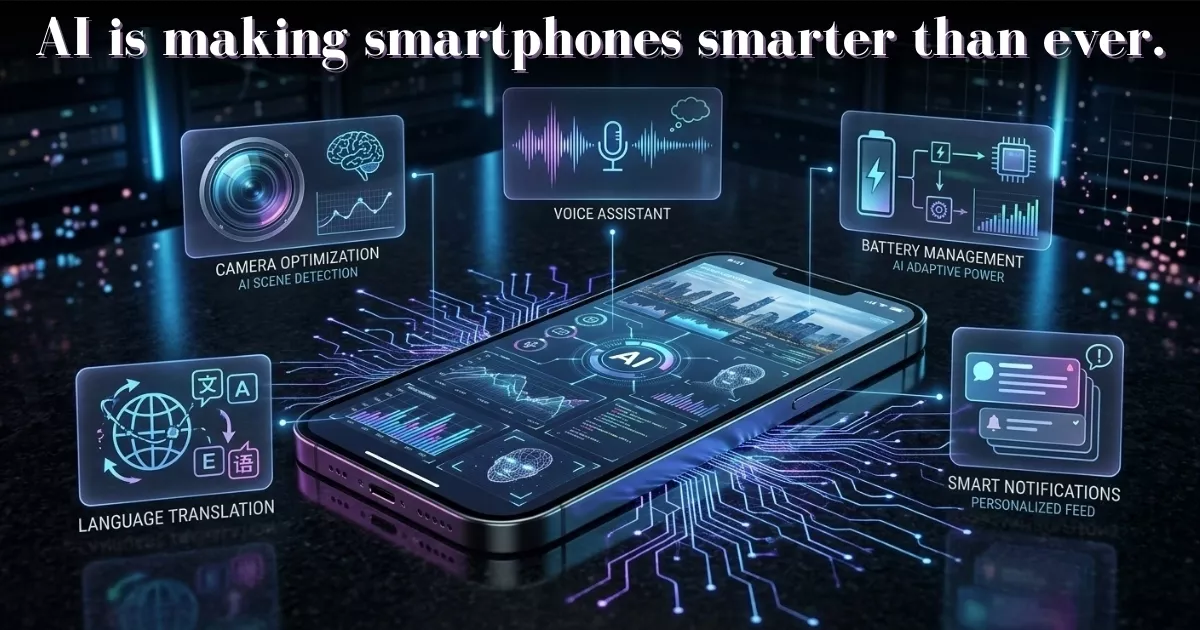
Artificial intelligence, commonly known as AI, has become an essential part of modern smartphone technology. While the term may sound complex, many people already use AI-powered features every day without even realizing it. From improving photo quality to optimizing battery usage, artificial intelligence helps smartphones work smarter and more efficiently.
In Bangladesh, where smartphones are widely used for communication, social media, entertainment, and online services, AI technology is gradually becoming more noticeable in everyday mobile experiences. Manufacturers now include AI capabilities in both mid-range and premium devices, making these features accessible to a large number of users.
One of the most common uses of AI in smartphones is in camera technology. Modern smartphone cameras rely heavily on artificial intelligence to improve image quality. When a user takes a photo, the phone’s AI system analyzes the scene in real time. It can detect elements such as people, food, landscapes, or night environments and automatically adjust camera settings to produce better results.
For example, smartphones like the Samsung Galaxy S24 from Samsung use advanced AI algorithms to enhance color balance, lighting, and sharpness. This allows users to capture professional-looking photos even without manual camera adjustments. AI can also help reduce noise in low-light conditions, making night photography clearer and more detailed.
Another well-known device with strong AI capabilities is the Google Pixel 8 from Google. These smartphones are recognized for their powerful AI-driven image processing. AI helps combine multiple images into a single photo, improving dynamic range and detail. This technology allows users to capture balanced photos even in challenging lighting conditions.
AI also plays a major role in smartphone performance management. Many devices use artificial intelligence to monitor how users interact with their phones. Over time, the system learns which apps are used most frequently and which ones remain idle in the background.
By analyzing these patterns, the smartphone can allocate system resources more efficiently. Frequently used apps launch faster, while background apps that are rarely used consume less power. This helps improve overall performance while reducing unnecessary battery usage.
Battery optimization is another area where AI has become extremely useful. Smartphones equipped with AI-powered battery management systems can learn daily charging habits and adjust power usage accordingly. If a user typically charges their phone overnight, the system may slow down charging near 100 percent to reduce battery wear.
This type of intelligent battery management helps extend the lifespan of the device. For users in Bangladesh who rely on their smartphones throughout the day, improved battery efficiency can make a significant difference in daily convenience.
AI also enhances smartphone security. Facial recognition systems use artificial intelligence to identify the user's face and unlock the device quickly. These systems analyze various facial features and depth information to ensure accurate identification.
Fingerprint sensors also benefit from AI improvements. Over time, the system becomes better at recognizing slight variations in finger placement, making the unlocking process faster and more reliable.
Another growing use of AI is voice assistance. Many smartphones now include intelligent voice assistants that can respond to spoken commands. Users can ask questions, set reminders, send messages, or control smart home devices using simple voice instructions.
These assistants rely on AI-powered speech recognition to understand natural language and provide helpful responses. For users in Bangladesh who often multitask, voice commands can make smartphone interaction more convenient.
AI is also improving translation and communication tools. Some smartphones now offer real-time translation features that can convert spoken language into another language almost instantly. This can be helpful for students, travelers, or professionals who need quick translation assistance.
Another interesting AI application is image editing. Modern smartphones allow users to remove unwanted objects from photos, adjust lighting automatically, or apply intelligent filters. AI algorithms analyze the image and make smart adjustments that previously required professional editing software.
Gaming performance is also benefiting from artificial intelligence. Some smartphones use AI to adjust graphics settings automatically based on the game being played. This helps maintain smooth gameplay while preventing excessive battery drain.
For mobile gamers in Bangladesh, this can improve the overall gaming experience without requiring manual adjustments.
AI is also helping smartphones manage network connectivity. Intelligent systems can analyze signal strength and switch between network types more efficiently to maintain stable connections. This can be especially useful in areas where network coverage may fluctuate.
As smartphone technology continues evolving, AI will likely become even more integrated into mobile devices. Future smartphones may include more advanced personal assistants, improved predictive features, and smarter automation systems that adapt to user behavior.
In the Bangladesh smartphone market, AI features are gradually becoming a standard expectation rather than a luxury. Even many mid-range devices now include AI-powered cameras, battery optimization, and performance management.
For consumers, understanding AI features can help when choosing a new smartphone. While raw specifications such as processor speed and camera megapixels remain important, AI capabilities often determine how effectively a phone performs in real-world situations.
In conclusion, artificial intelligence is transforming the way smartphones operate. From improving photography and battery efficiency to enhancing security and performance, AI helps devices become more responsive to user needs. For smartphone users in Bangladesh, choosing a device with strong AI features can lead to a smoother, smarter, and more enjoyable mobile experience.